

Written by: John Clark, Head of Strategy
With younger generations under increasing financial pressure—be that paying back student loans, exorbitant rent, or other budget considerations—money matters a great deal to them. So Gen Z already understands banking; what they are really evaluating is whether banks understand them.
For banking brands, capturing attention is relatively easy, but earning long-term loyalty through constructive reasons to stay is far more difficult. As younger people reach pivotal life stages, their interest extends beyond checking accounts and debit cards to long-term savings and investments. Gen Z is more likely than the average American to be thinking about opening a savings account, an IRA, or taking out a credit card(1)—and they are more likely to switch bank accounts, too.(1) With the current rising cost of living, money management is crucial for those at the start of their careers, so there’s a clear role for banking brands to demonstrate what they can do for younger customers so they feel heard. For banks looking to build lasting loyalty with Gen Z, legacy and behemoth status are no longer an automatic route to adoption.
Utility is reshaping the banking experience for Gen Z
At first glance, challenger brands such as Monzo, Wise, and Revolut seem to be getting it right for the younger cohort.
On paper, Monzo looks like a Gen Z success story. According to figures from WPP’s BAV database, it scores a near-perfect 99 on Differentiation and an equally impressive 99 on perceived helpfulness. Gen Z finds it genuinely useful and meaningfully different from everything else in the category.
Their success has not come from shouting louder than traditional banks, but from embedding themselves into everyday financial behavior. They understand that mobile banking is routine for Gen Z, with over 40% using banking apps daily and a further 39% checking them several times a week.
Monzo and Revolut apps are designed to make managing finances feel rewarding and fun. Features like budgeting prompts and emoji-enhanced payment notifications turn everyday banking into a more engaging experience. Rather than simply displaying account balances, these platforms actively guide users through their financial decisions so it feels supportive and accessible.
But dig a little deeper, and a different story emerges. Monzo has high Relevance and Knowledge, but Esteem is only at 50. And Loyalty ranks at just 27, with Advocacy also at 27. In plain terms: Gen Z has real affection for Monzo, but not a deep commitment to it.
Revolut tells a similar story from a different angle. It scores 93 on Differentiation and leads the field on Consideration (76), meaning Gen Z is genuinely open to it. But Advocacy collapses to 23—the lowest in the set—and Gaining in Popularity ranks at just 33. People consider it; they don’t champion it.(2)
So what might it take for banks to earn Gen Z’s trust?
When it comes to money, the absolute vital element—more than app performance and engaging interactions—is trust. People want their money to be safe. Trust in banks does exist among Gen Z, but it comes with a strong dose of skepticism. More than half of Gen Z (57%) say they trust banks and credit unions, yet around one in three (33%) believe banks try to trick customers out of their money.(3)
So, beyond user-friendly digital services, how can banks show they’re on their side? Education, personalization, and outlook may help brands here.
When it comes to education, Gen Z is more likely than previous generations to educate themselves on financial matters, including student loans, before incurring debt. In a 2023 Mastercard study, 73% of teens said they wanted more personal finance education, perhaps because 52% worry about financial security and stability—more than double the rate of older generations.(4)
However, traditional financial education efforts like webinars and formal campaigns may not resonate. This generation responds more positively to relatable content on social media. Short-form videos and real customer stories of people navigating similar financial problems are more likely to engage Gen Z because they value authenticity.
A recent Stylus report found, “People are growing weary of expert-led financial advice that glosses over the reality of debt, emotion-fueled spending, and stagnant salaries. Instead, many are turning to their peers for guidance”—and as a recommendation-driven audience, Gen Z is at the forefront of this.(5)
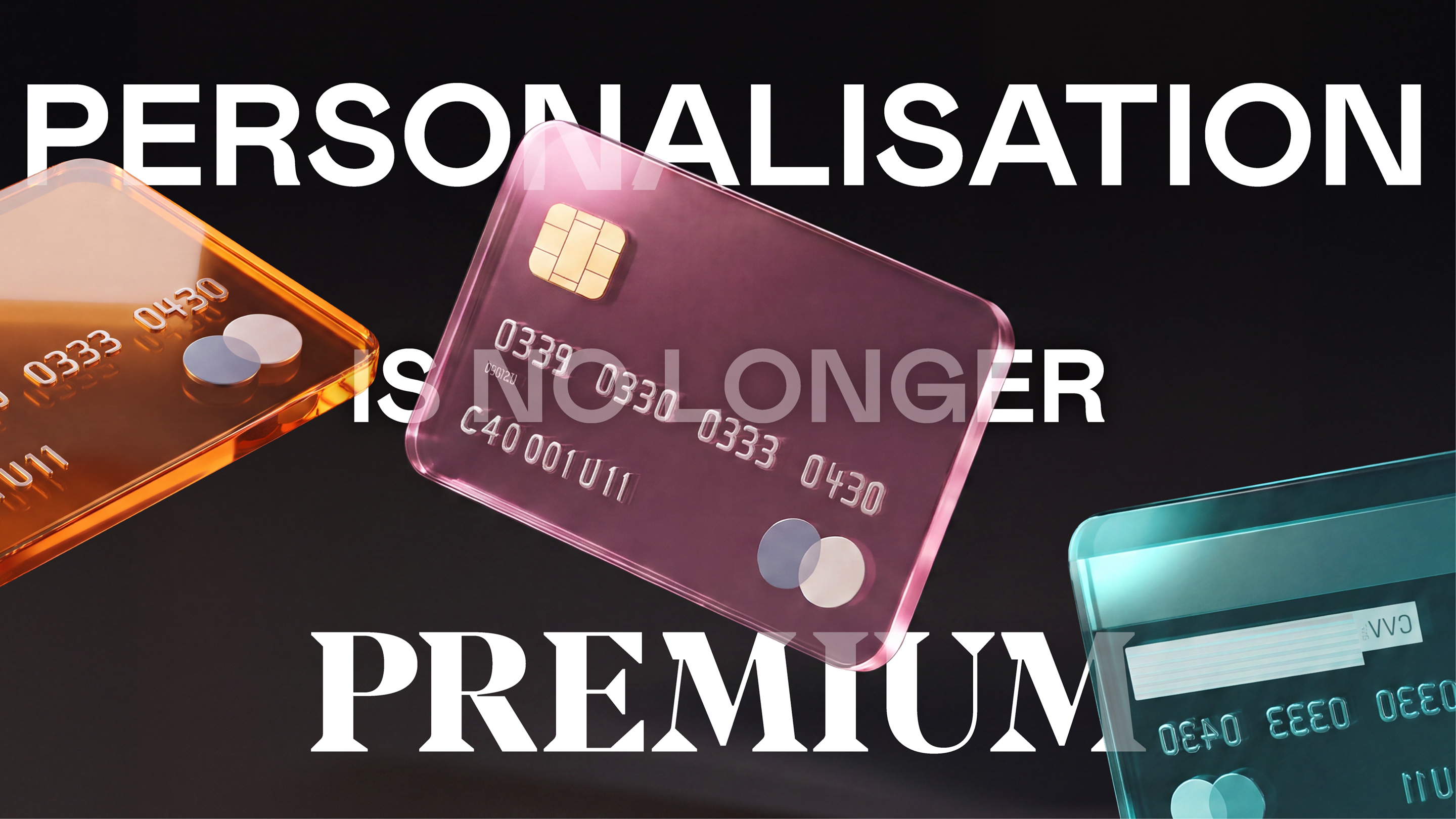
Beyond education, personalization is a powerful driver. From workouts to travel itineraries to menu choices, this generation lives in a world that’s been algorithmically optimized and personalized for them. Gen Z expects financial tools to adapt to them, not the other way around. Personalization is no longer considered a premium feature but an expectation. Suggested budgeting and “Spotify Wrapped”-style annual financial summaries are the tailored experiences that resonate with Gen Z. They like goal-based financial journeys—whether saving for vacations or home down payments—that make banking brands feel more integrated into everyday life.
Cashback is most effective when tied to real shopping habits, while rewards that help ease real financial pressures, such as housing costs or utility bills, demonstrate empathy and understanding. Meaningful financial relief builds far deeper loyalty than small, generic discounts ever could.(4)
Lastly, outlook—Gen Z doesn’t want banking to feel intimidating or emotionally heavy. Brands need to flip the serious narrative; money should be an optimistic topic. That means moving away from the traditional language of authority and seriousness, and toward communication that feels genuinely human and transparent. Gen Z will respond to brands that make managing money feel less like a source of anxiety and more like a tool for building the life they want.
Sources
1: https://yougov.com/en-gb/articles/46577-britain-key-attitudes-and-behaviours-of-gen-z-with-respect-to-finance-and-insurance
2: WPP BAV & WPP Open
3: https://yougov.com/en-gb/articles/52942-what-gen-z-wants-from-their-banks
4: https://www.mastercard.com/global/en/news-and-trends/stories/2025/gen-z-innovation-banking.html
5: “10 Consumer Finance Trends to Watch 25/26”, Stylus

