
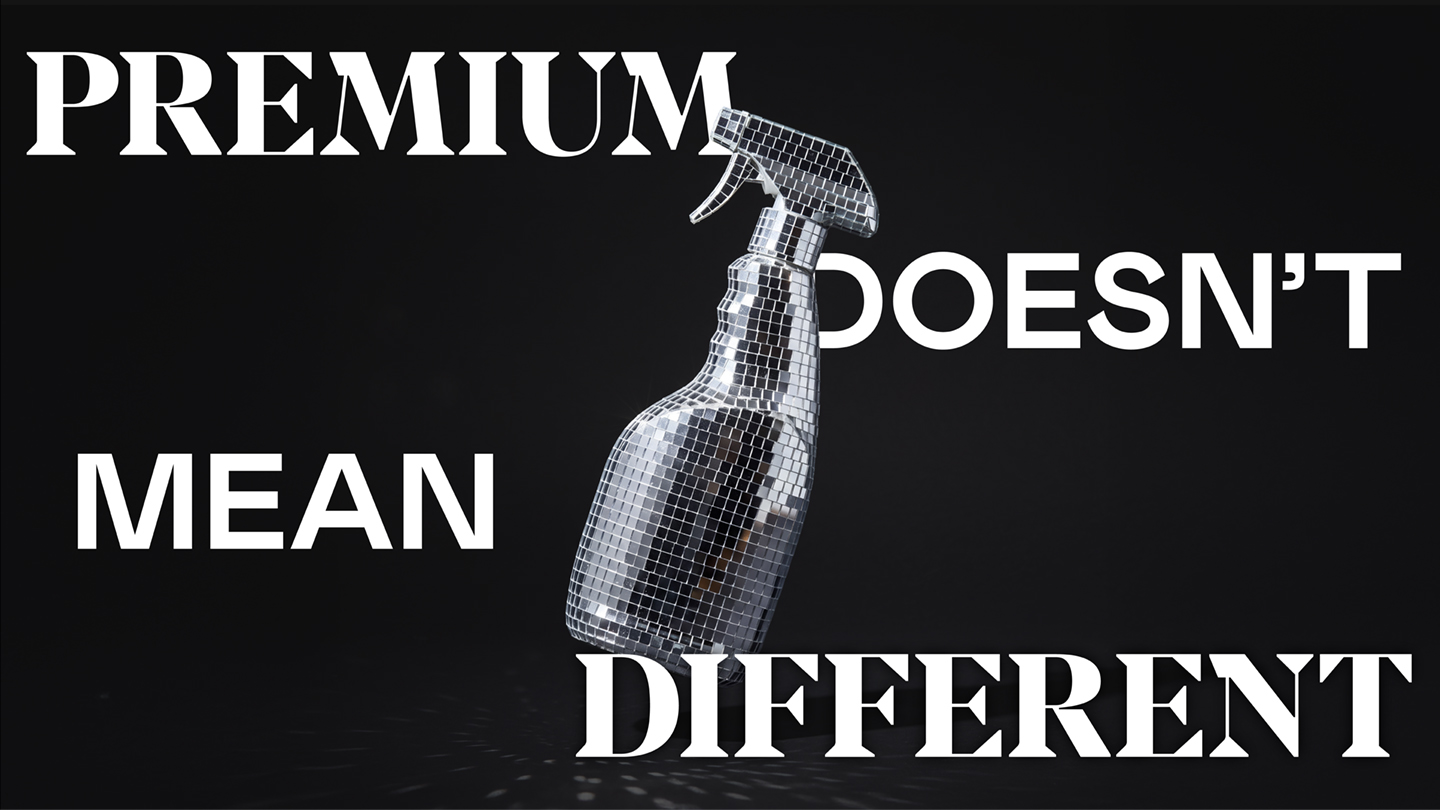

Walk through almost any supermarket and something is changing. The signals we once associated with premium brands are now everywhere. Softer color palettes. Refined typography. Better ingredients. Stories about provenance, wellness, and care. Functional drinks look like lifestyle brands. Protein products borrow from beauty. Everyday groceries are designed with the restraint once reserved for a more expensive range.
On one level, this is good news. Expectations have risen. Consumers want brands to feel considered, trustworthy, and worth bringing into their homes. But when these cues become commonplace, they stop being a point of difference. So, despite looking better than ever, many brands still struggle to earn something more valuable than approval: attention.
Think about the products that genuinely make you pause. They are not always the most polished. More often, they bring an unexpected perspective. A name that makes you smile, like Heinz’s Marry Me Pasta Sauce. A color choice the category did not see coming, like the vibrant look of Magic Spoon cereal. Or a personality that feels unmistakably its own, like Pip & Nut.
Because before we compare prices, read claims, or scan ingredients, we make a much faster decision. We decide whether something is worth noticing at all. That decision is not won by adding more premium cues. It comes from giving a brand a distinct role in people’s minds. Premium may now be the price of entry. But differentiation still takes an Unordinary idea.

