

Winnie-the-Pooh is 100 this year. So brace yourself for lots of Hundred-Acre-Wood philosophy over the coming months. But it got me thinking (on my ‘Thinking Spot’) about how brands like to use time to build their provenance. And how we can be very bad at judging it.
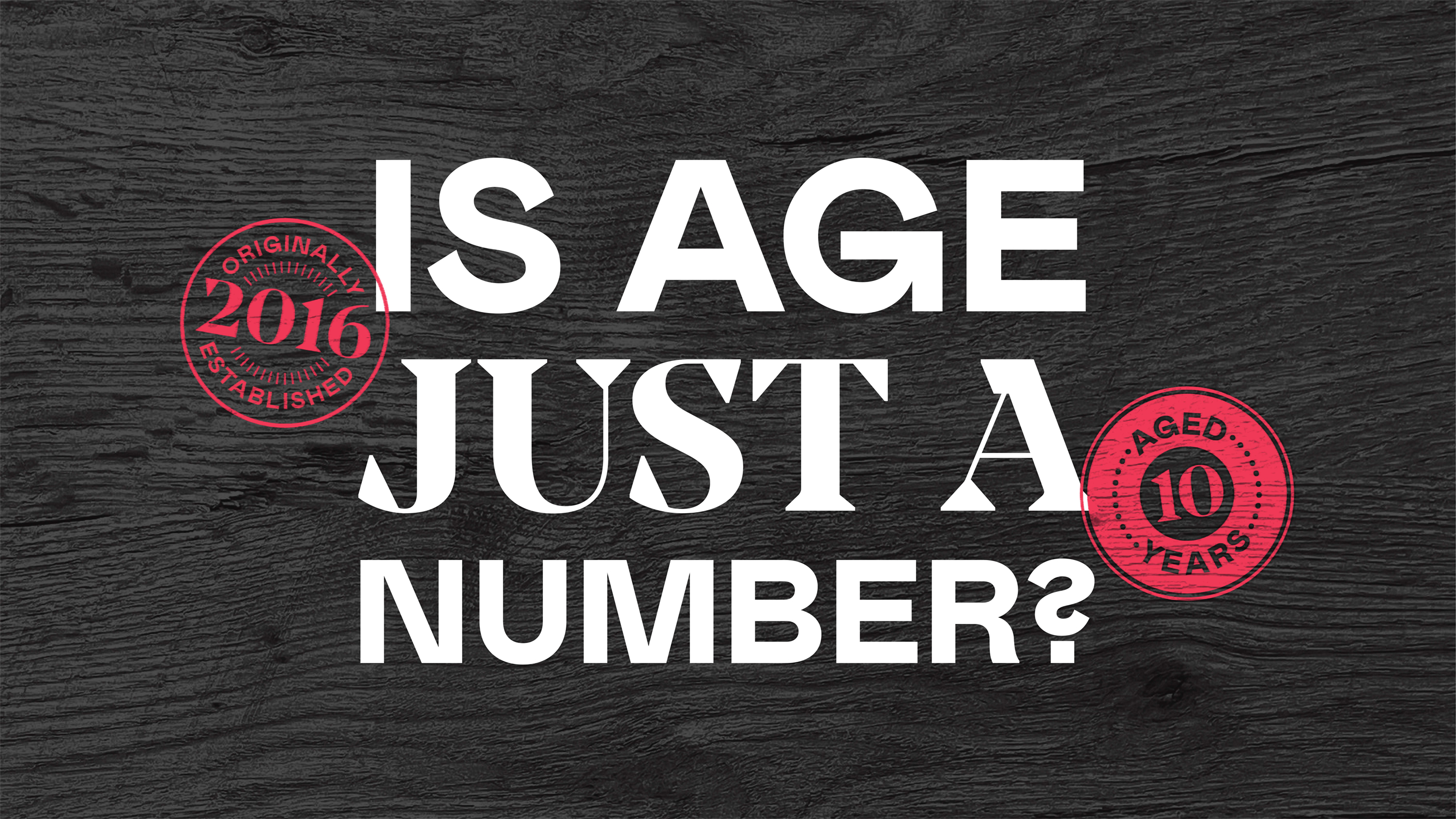
A recent study in Journal of Marketing Research has shown how framing time by length rather than by date makes it seem longer. A drink ‘Aged 10 years’ feels older than one labelled ‘2016’, for example.
Whisky brands have long capitalized on this, of course, but limited volumes of aged stock means that many are now ditching age statements. Naked Malt, for instance, touts “first-fill sherry casks” instead of years, to support their premium.
Others play with time in more inventive ways. You might be surprised to learn that the thoroughly contemporary ‘Cards Against Humanity’ celebrated its 100th year anniversary just three years ago.
Stella proudly advertises ‘Anno 1366’ on its cans, despite being first brewed in 1926. And I’m not sure how much Captain Henry Morgan (1635-1688) knew about the rum launched in his name, three centuries later.
Maybe we ‘bears of very little brain’ just find it more rewarding to believe a good story than to pay too much attention to the actual age. After all, that’s just a number.

